Fiber cement carries a Class A fire rating, while vinyl softens and melts at high heat, which is why fiber cement is the better choice for high fire-risk Sacramento areas.
Vinyl color runs through the panel and fiber cement uses a baked-on factory finish, so both spare homeowners the repainting cycle that wood siding demands under the valley sun.
Foam-backed vinyl bonds insulation to each panel, helping with cooling bills in Sacramento's heat and giving budget-minded homeowners an energy benefit standard vinyl lacks.
The starting point for many homeowners is cost, and here vinyl leads. Vinyl siding is the more budget-friendly material, both in product and in the lighter, faster installation it allows. For a homeowner working within a set budget, for a rental or investment property, or for a curb-appeal refresh, that lower cost is a strong argument. It stretches a renovation dollar further while still delivering a clean, updated exterior, which is why vinyl remains popular across Sacramento's suburban neighborhoods and among owners of rental and investment properties who want a solid result at a controlled cost.
Fiber cement costs more upfront, but the comparison goes beyond the initial price. Its longer life and lower long-term maintenance change the calculation over the decades a home keeps its siding. A homeowner planning to stay in a home for many years may find the higher upfront cost of fiber cement pays back through durability, while one focused on the immediate budget may lean toward vinyl siding. Both are defensible depending on the priority.

Fiber cement is the more durable material. Made from cement, sand, and cellulose fiber, it stays dimensionally stable in Sacramento's triple-digit heat, resists impact, and lasts on the order of 30 to 50 years, backed by a James Hardie 30-year limited product warranty. It holds its shape and finish through the thermal cycling that stresses lighter materials, which is a large part of why it dominates the local siding market.
Modern vinyl is far more durable than the product of decades past, and quality panels handle the valley climate well, but vinyl remains a lighter material that can fade or soften at the bargain grades under extreme heat. Choosing quality, heat-rated vinyl siding narrows the gap, and insulated vinyl adds rigidity and energy benefit. Still, for sheer longevity and resistance to the harshest conditions, fiber cement holds the edge in a head-to-head comparison.
This is the clearest difference. Fiber cement is non-combustible and carries a Class A fire rating, the highest classification, which matters in fire-prone California. Vinyl, by contrast, is combustible; it softens and melts at high heat. For a home in a higher fire-risk area near wildland, fiber cement is the sounder exterior, and an honest contractor will say so directly rather than downplay the difference.
For many in-town Sacramento homes away from the highest-risk zones, vinyl's combustibility is a smaller concern, and the material's other advantages may outweigh it. But the fire distinction is real and worth weighing seriously, especially as California's insurance market puts more emphasis on ignition-resistant exteriors. A homeowner should factor fire performance into the choice between vinyl siding and fiber cement rather than treating the two as interchangeable on that point.
Both materials spare a homeowner the repainting cycle that wood siding demands in Sacramento's sun, but they differ in the details. Vinyl siding needs only an occasional rinse to stay clean, since the color runs through the panel and never needs painting. That near-zero maintenance is one of its strongest selling points, particularly for a homeowner who wants an exterior they can largely forget about after installation.
Fiber cement is also low-maintenance, though not quite maintenance-free. Its baked-on factory finish resists fading for many years, and repaint intervals stretch into decades rather than the few years wood requires, but it may eventually want refinishing where vinyl would not. For most homeowners the difference is small, since both are dramatically easier to maintain than wood. On pure upkeep, vinyl has a slight edge, while fiber cement offers longevity that offsets its occasional refinishing over a long life.
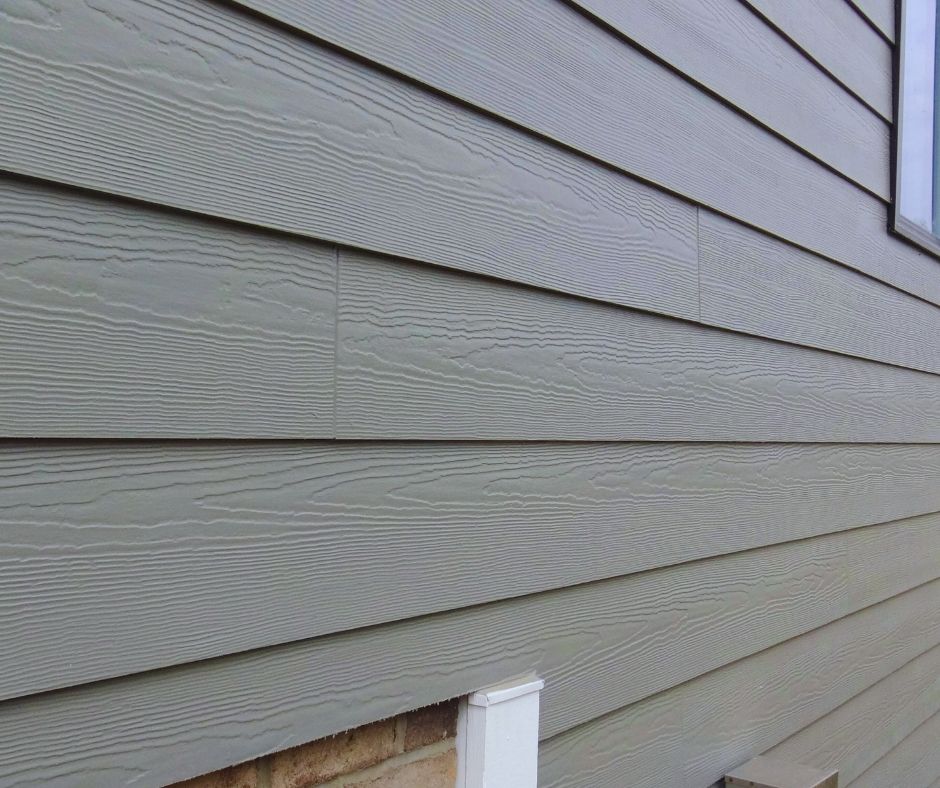
Both materials offer a range of looks. Vinyl comes in traditional lap, Dutch lap, board-and-batten, and shake-look profiles in many colors, letting a homeowner update a home affordably. Fiber cement offers similar profiles plus convincing wood-grain textures like Cedarmill, and its thicker boards and factory ColorPlus finish give a more substantial, upscale appearance that many homeowners prefer for a primary residence they plan to keep.
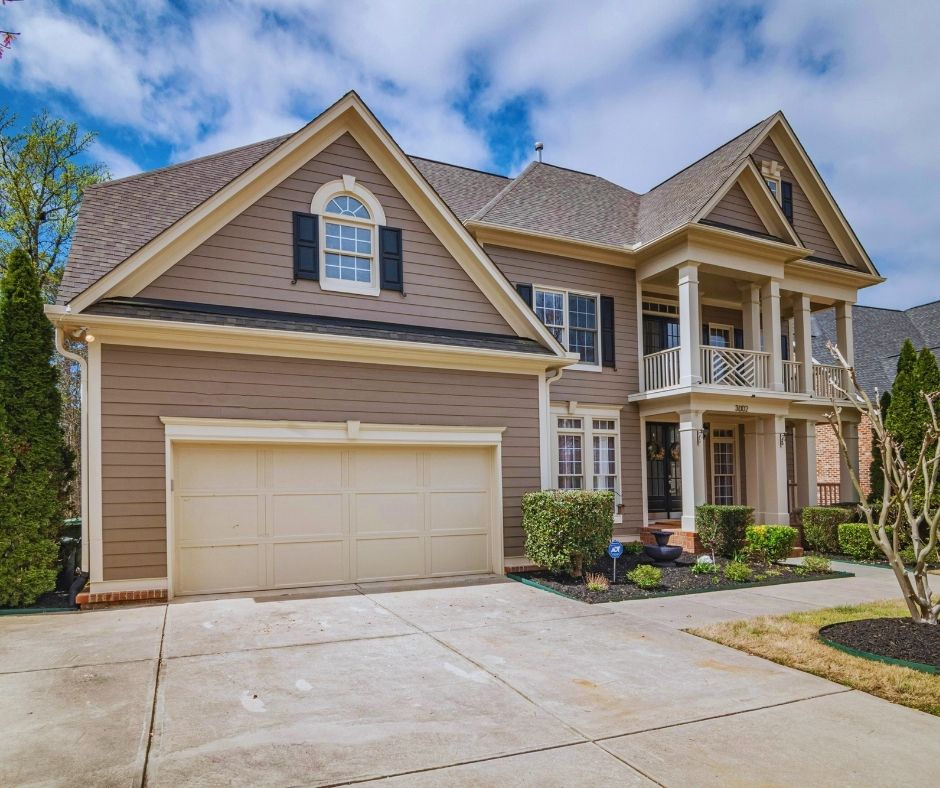
The right look depends on the home and the neighborhood. In Sacramento's suburban areas, quality vinyl siding produces a clean, coordinated exterior that fits right in. For a character home or a residence where a homeowner wants the most authentic wood look and the most substantial feel, fiber cement often wins on appearance. Both can look excellent when the profile and color are matched thoughtfully to the home, so appearance alone rarely settles the choice.


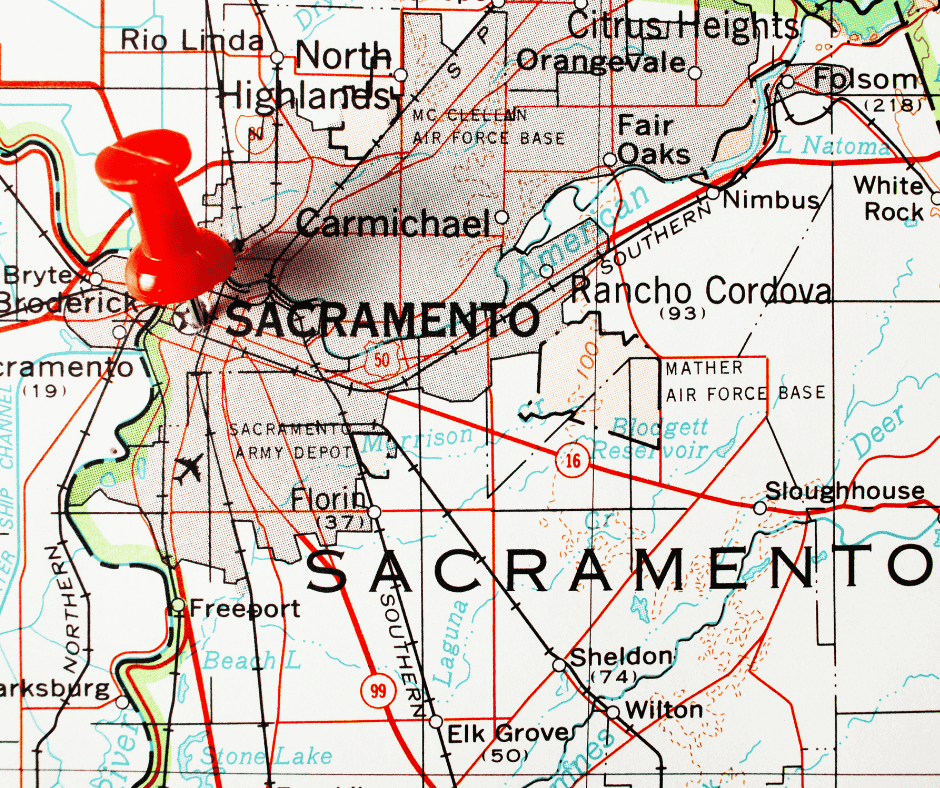
Geography shapes the decision in Sacramento. The practical suburban neighborhoods, Citrus Heights, Rancho Cordova, North Highlands, Carmichael, and parts of Elk Grove, are natural territory for vinyl, where value and low upkeep align with the housing stock. Vinyl siding fits the character of these areas and delivers a strong result for the money, which is why it is common across the suburban ring.
The historic core is different. Neighborhoods like Land Park, Curtis Park, East Sacramento, and Old Sacramento often carry design-review considerations that can restrict vinyl on older homes, pointing toward fiber cement or wood that better matches the period architecture. A contractor familiar with the region can flag where each material fits, so a homeowner does not plan a vinyl project in an area where the neighborhood or the home's character calls for something else.
Sacramento's cooling-dominated climate makes energy performance worth considering in a siding choice. Standard vinyl offers little insulating value on its own, but insulated, foam-backed vinyl siding bonds a layer of insulation to each panel, adding R-value that helps the home hold its conditioned air and eases the load on the air conditioner during the long summer. For a budget-minded homeowner who still wants an energy benefit, insulated vinyl is a sensible middle path.
Fiber cement is not primarily an insulating material either, but a full residing project with either material is a chance to improve the wall assembly with a proper weather-resistive barrier and, where appropriate, added insulation. The bigger energy story in most homes is the windows, but siding plays a supporting role. A knowledgeable installer can explain how each material and the wall system behind it contribute to comfort and cooling costs in the Sacramento heat.
The two materials install differently, and both demand care. Vinyl is lighter and faster to hang, but it must be fastened to allow for thermal expansion and contraction, since the panels move with Sacramento's daily temperature swings. Fastened too tightly, vinyl buckles; fastened correctly, it lies flat and lasts. A weather-resistive barrier behind the panels protects the wall from any moisture that gets past the siding.
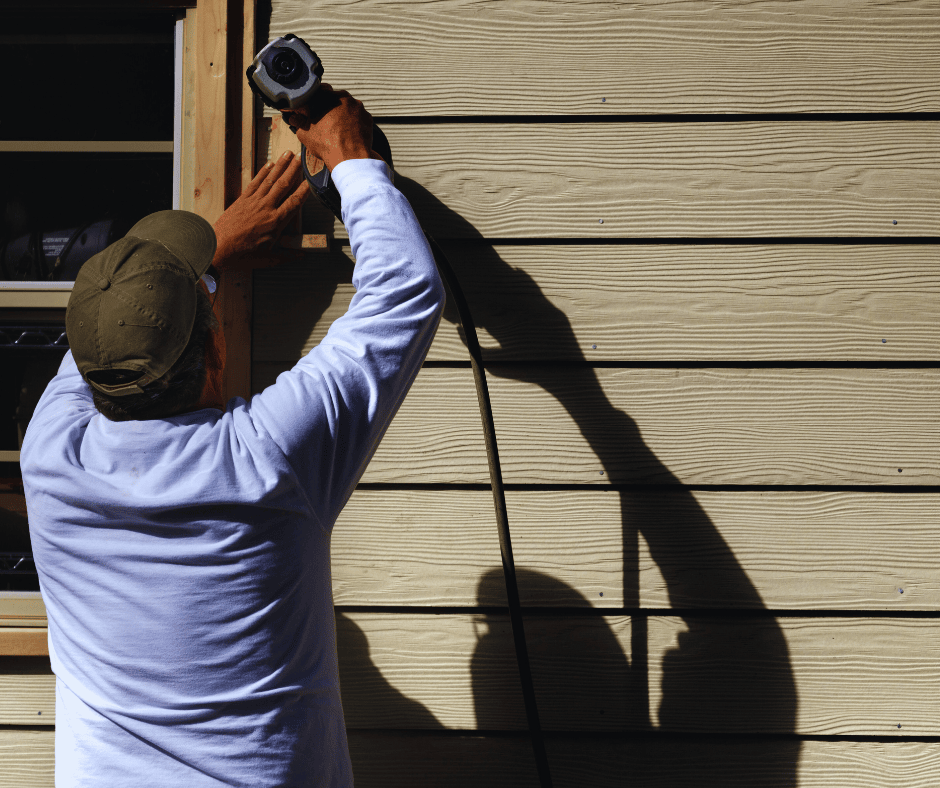
Fiber cement is heavier and installs to strict manufacturer specifications, with required clearances, flashing, a fastening schedule, and sealed field cuts. Done correctly by a credentialed crew, it delivers its long life and keeps its warranty intact. Whichever material a homeowner chooses, the quality of the installation determines the result, so hiring a licensed, experienced contractor matters as much as the material decision itself. A great material installed poorly disappoints, while either material installed well performs.
The choice between vinyl and fiber cement comes down to a few clear questions. What is the budget, both upfront and over the long term? How long does the homeowner plan to stay in the home? Is the home in a higher fire-risk area? Does the neighborhood have design considerations that favor one material? And which look does the homeowner want? Answering these narrows the decision quickly for most homes.
There is no single right answer, which is exactly why an honest contractor that installs both materials is valuable. Rather than pushing one product, the right contractor lays out the trade-offs for the specific home and lets the homeowner decide with clear information. For a budget-focused suburban project, vinyl often wins; for a long-term home in a fire-prone area, fiber cement often does. The best choice is the one matched to the home and the homeowner's priorities.

For homeowners thinking about resale, both materials help a home show well, but they signal different things to buyers. A clean vinyl exterior reads as well-maintained and move-in ready, which appeals broadly in Sacramento's suburban markets where value and practicality matter to buyers. Because vinyl updates a home affordably, it can be a smart move for a seller preparing a property, or for an investor improving a rental before listing or leasing it.
Fiber cement tends to carry a stronger impression of quality and permanence, and its durability and fire resistance can be selling points in their own right, especially as buyers grow more aware of fire considerations in California. For a homeowner planning to sell a primary residence in a neighborhood where buyers expect a substantial exterior, the upgrade to fiber cement can support both the asking price and the home's appeal. Which material adds more value depends on the home, the neighborhood, and the buyers it attracts.
The advantage of working with a contractor that installs both vinyl and fiber cement is honest guidance. A company that only sells one material has an incentive to recommend it regardless of fit, while one that offers both can point a homeowner to the material that truly matches the home, the budget, and the situation. That neutrality is worth having when the decision carries a significant cost and lasts for decades.
An in-home assessment is where that guidance becomes specific. Seeing the home, its exposure, its neighborhood, and its condition lets a contractor make a recommendation grounded in the actual property rather than a general rule. A homeowner comes away understanding not just which material to choose but why it fits, which is the kind of confidence that makes a big exterior investment feel sound. That honest, home-specific advice is the real value of a free consultation with a contractor who works in both materials.
The best way to choose is with honest guidance and a look at the specific home. Best Exteriors is CSLB licensed and insured under License #923505, carries a BBB A+ rating, is Diamond Certified, and is a James Hardie Preferred Contractor. Because it installs both vinyl and fiber cement, it can recommend the material that truly fits. It handles plans and permits, backs its work with a lifetime warranty on installation, and offers 0 percent financing with zero down payment, starting every project with a free in-home or virtual consultation.
A Sacramento homeowner deciding between materials can get a free siding estimate by calling (916) 252-2693 for a consultation and clear pricing. Best Exteriors serves Sacramento and nearby communities including Carmichael, Citrus Heights, Folsom, Rancho Cordova, and Elk Grove. Because the right choice depends on the home, the neighborhood, the budget, and fire risk, an on-site look is the surest way to settle the vinyl-versus-fiber-cement question for a specific project.
Redirect to:
|
This page is a redirect. The following categories are used to track and monitor this redirect:
|