When to Schedule Insulation Repair

When to Schedule Insulation Repair

Attic work has a season, and most homeowners find that out the hard way. They notice the cold rooms in January, call in February, and discover that every crew in the area is booked solid with people who made the same discovery the same week. By the time the job goes in, the heating season is nearly over and an entire winter of wasted energy has already been paid for. Timing is the quiet variable that decides how much a project actually returns, and homeowners who request an attic insulation estimate Eugene OR crews can act on well before the weather turns consistently get better scheduling, better pricing, and a full season of benefit. Klaus Roofing Systems of Oregon watches this pattern repeat every year across Lane County.

The local calendar makes the timing question sharper than it would be elsewhere. Eugene runs a heating season from roughly October through May, which is most of the year. Humidity stays high, winter sun is scarce, and a heavy tree canopy keeps homes shaded and slow to dry. An attic problem left in place is not costing money for a few weeks. It is costing money for two thirds of the calendar, and moisture problems compound through the wet months rather than holding steady.
The Busiest Weeks Are the Worst Weeks to Call

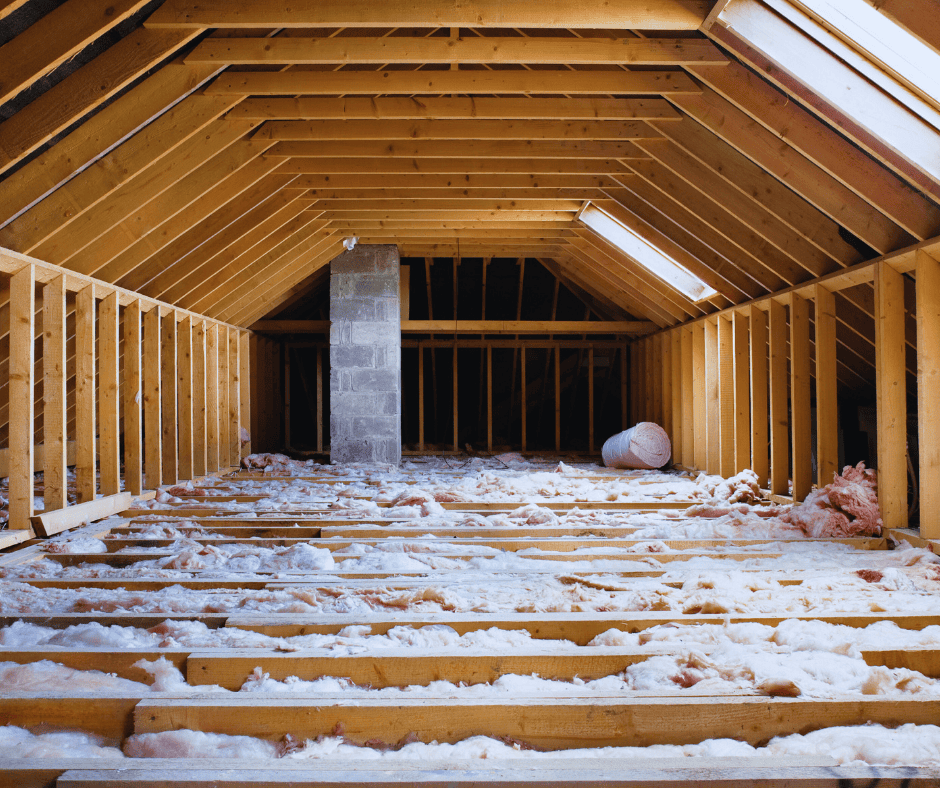
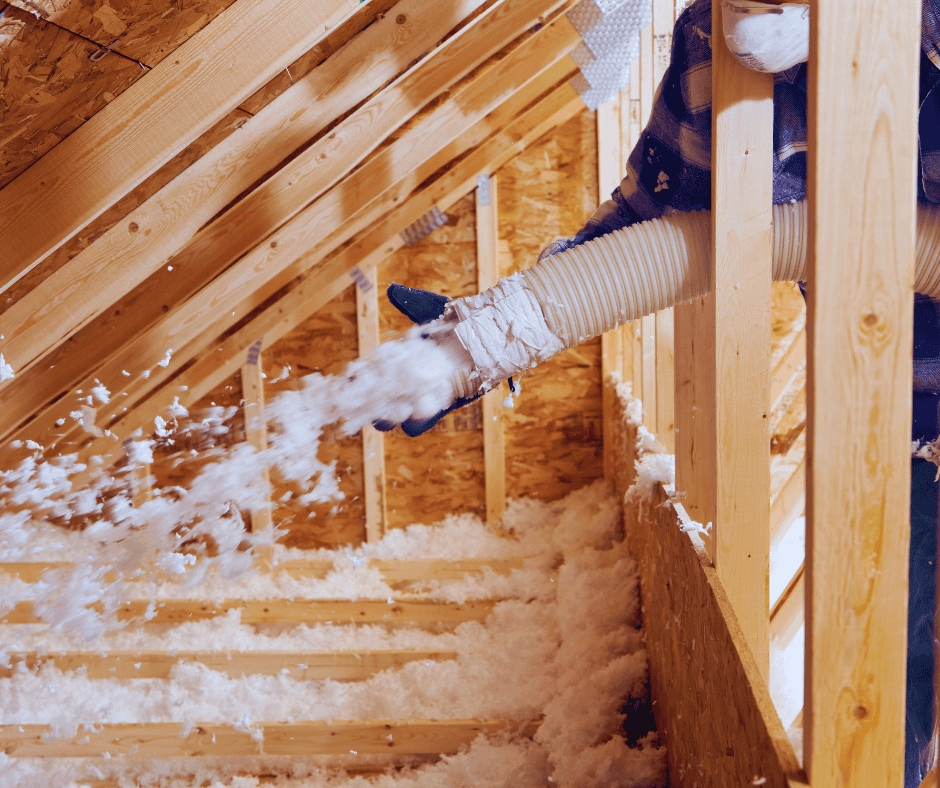
Attic insulation interest spikes when the weather turns and again when the first heating bills arrive, meaning most homeowners call at exactly the moment schedules are tightest. Acting on last winter's discomfort rather than this winter's is what gets a homeowner a choice of dates instead of whatever slot is left.

Insulate Before You Size New Heating Equipment

Sizing a new furnace or heat pump for a leaky, under-insulated envelope locks in more capacity than the home actually needs for the next fifteen years. Doing the air sealing and insulation work first, then sizing the equipment to the improved house, saves money on both the equipment and the operating cost.

There Is No Longer a Tax Deadline to Schedule Around:

The federal 25C Energy Efficient Home Improvement Credit expired on December 31, 2025 and is not available for 2026 work, so timing an attic project to capture it is no longer possible, and any contractor building urgency on that credit is working from outdated information.

The window that works best

Late summer through early fall is the strongest time to book attic work, and the reasons stack. The work lands before the heating season starts, so the improvement is in place for the entire October through May stretch rather than the tail of it. Crews have more availability than they will in October and November when the first cold snap sends everyone looking at once. And the attic itself is workable, which matters more than homeowners expect.

Attic conditions drive the schedule from the crew's side. Midsummer attics in direct sun become genuinely punishing spaces, which slows careful work such as sealing dozens of small ceiling penetrations by hand. Deep winter attics are cold and cramped but workable. The shoulder periods, late spring and late summer into early fall, give the best working conditions for the detailed portions of the job. Requesting an attic insulation estimate Eugene OR homeowners can schedule against in July or August usually means the crew arrives in good conditions with the season still ahead.

Summer scheduling carries a second benefit that gets overlooked in a heating-dominated climate. The same sealed and insulated attic that keeps warmth in during winter keeps heat out during the stretch of hot, dry weeks the valley sees in July and August, when an unsealed ceiling lets superheated attic air migrate down into bedrooms. Work completed in early summer starts paying immediately rather than waiting for October.

Book the assessment earlier than the work

One distinction saves a lot of frustration. The assessment and the installation are two different calendar items, and the assessment should come first by a comfortable margin. An in-person attic evaluation produces a written scope and written pricing, and only then can a homeowner make a decision, arrange financing if needed, and get on the schedule.

That sequence takes time. Getting more than one proposal, comparing scopes rather than totals, and deciding without pressure is difficult to do in a week. Homeowners who ask for an attic insulation estimate Eugene OR contractors can turn around in late summer give themselves room to think, whereas those who call after the first freeze are usually deciding under pressure and taking whatever slot is available.

There is a predictable rhythm to the phones. Interest stays quiet through the dry months, then spikes the week the weather turns and again when the first heating bills of the season arrive. Both spikes are driven by symptoms rather than planning, which is precisely why they land at the worst moment for scheduling. A homeowner acting on last winter's discomfort rather than this winter's is the one who gets the calendar to themselves.

The trigger that overrides the calendar

Seasonal preference is a nice-to-have. Certain conditions are not, and they should be addressed whenever they are found rather than held for a convenient month.

Moisture is the clearest example. Dark staining on the roof sheathing, damp or matted insulation, frost or condensation on nails during cold weather, or a musty smell at the attic hatch all point to a problem that gets worse through every wet month it sits. Pest contamination is similar, since droppings and nesting material do not improve with waiting and the entry points that let animals in are usually leaking air as well. An active roof leak outranks everything, because insulation work over an unresolved leak is wasted work. In all of these, the right time for an attic insulation estimate Eugene OR homeowners can act on is now rather than next August.

Timing around a roof replacement

The single most valuable piece of sequencing advice involves the roof above. If a roof is nearing the end of its service life, some attic work should wait and some should be coordinated, but almost none of it should happen in isolation without knowing the roof plan.

Ventilation corrections are the clearest case. Adding ridge venting is dramatically easier and less expensive while the roof is open during a replacement than as a standalone job requiring separate access later. Spraying foam onto a roof deck that will be torn off in two years is money spent twice. And a roof replacement is the natural moment to correct the attic ventilation that may have been shortening the old roof's life from below in the first place. A combined assessment that looks at deck condition, flashing, ventilation, insulation, and moisture together produces an attic insulation estimate Eugene OR homeowners can sequence intelligently rather than one that ignores what is coming.

Life events that make the timing obvious

Several situations put attic work on the calendar regardless of season, and recognizing them early keeps the scope small:

  • Buying a home, when an inspection notes thin, damaged, or contaminated attic insulation.
  • Preparing to sell, since a documented attic upgrade addresses a common inspection finding before it becomes a negotiation.
  • Finishing a bonus room, converting an attic, or adding on, when the thermal boundary changes.
  • Replacing a furnace or heat pump, because sizing new equipment for a leaky envelope means paying for capacity that better sealing would eliminate.
  • After pest removal, when contaminated material has to come out anyway.

That last pairing is worth emphasizing. Sizing new heating equipment before addressing a leaky attic locks in an oversized system for the next fifteen years. Doing the envelope work first, then sizing, is the order that saves money twice.

Larger plans deserve the same sequencing thought. Homeowners working through a multi-year list of home projects often slot attic work last, on the reasoning that it is invisible and can wait. The math argues the other way. Because the attic affects heating costs, comfort in every room, moisture behavior, and the working life of the roof above it, moving it earlier in the sequence means every subsequent year benefits rather than only the years after it is finally done. An attic insulation estimate Eugene OR homeowners obtain early enough gives them a real figure to plan around instead of a placeholder.

What waiting a season actually costs

The cost of delay is not abstract. An attic that is under-insulated and unsealed keeps leaking conditioned air through every month of the heating season, and in a market where that season runs eight months, one deferred year is a substantial share of what the improvement would have saved.

The scope also tends to grow. Moisture that was surface staining in September can be established growth by March. Insulation that was merely thin can be damp and unusable after a wet winter. Roof sheathing that was sound can develop soft spots. What would have been a straightforward job becomes removal, remediation, and repair, and the estimate reflects that. Homeowners who get an attic insulation estimate Eugene OR crews can schedule promptly generally pay for the smaller version of the same project.

What the assessment covers whenever it happens

A proper attic visit is an inspection rather than a sales call, and the season does not change what it examines. It measures existing insulation depth and condition, identifies the air bypass points in the ceiling plane at top plates, recessed fixtures, plumbing penetrations, duct chases, and the attic hatch, checks whether soffit intake and ridge exhaust are actually working, looks for moisture staining and mold, notes pest activity, traces exhaust ducts to their terminations, and evaluates ductwork running through the space.

Only then does the scope get written, because the right answer for a settled but clean attic looks nothing like the right answer for a contaminated and damp one. A homeowner who has been told what is actually up there, in writing, is in a far better position than one working from a phone quote and a guess. Material follows the findings as well. Blown cellulose suits open attic floors, Foamax polyiso rigid foam panels with a reflective foil facing suit areas where depth is limited, and spray foam suits awkward transitions such as knee walls and cathedral ceilings. An attic insulation estimate Eugene OR homeowners can trust names which material goes where and explains why.

Lead time and what to expect on the schedule

Most attic projects are measured in days rather than weeks, though removal jobs run longer than simple top-ups and foam work involves cure time and controlled conditions. What varies more than the work itself is how far out the calendar sits, which is why the month a homeowner calls matters as much as the month the work happens.

Booking ahead also allows the small logistical details to be settled calmly: where equipment stages, whether access runs through a closet or the garage, how the property is protected during the work, and what the cleanup standard is. Klaus assigns an on-site project manager to every job from day one through the final walkthrough, protects floors and finishes, and cleans up daily, and those arrangements are easier to plan when the schedule is not compressed.

One thing that no longer belongs in the timing math

Homeowners sometimes try to time attic work around a federal tax incentive, and that calculation no longer applies. The federal 25C Energy Efficient Home Improvement Credit expired on December 31, 2025 and is not available for 2026 work, so there is no credit deadline to schedule around and no proposal should present one as offsetting the cost. Any contractor still building a timing argument on that credit is working from stale information.

Financing is a separate and legitimate consideration. Klaus offers flexible financing so a project can be spread out rather than paid at once, and any current promotional offers rotate and should be confirmed as active at signing rather than assumed from an older page.

Check our other pages :

Getting on the calendar

The practical summary is short. Book the assessment before the season turns, address moisture and pest findings whenever they appear, coordinate with the roof if a replacement is anywhere on the horizon, and give the decision enough runway to compare proposals properly. Homeowners who do those four things get the work done in good conditions with the whole heating season still ahead of them.

Klaus Roofing Systems of Oregon is a family-owned, locally operated contractor licensed in Oregon under Contractor ID 231578, working from 3922 W 1st Ave in Eugene's 97402 and serving homeowners across Eugene, Springfield, Cottage Grove, Salem, Albany, Corvallis, Portland, and the surrounding Willamette Valley. The company is an authorized Klaus Roofing Systems dealer and an authorized Attic Systems dealer, runs OSHA-compliant crews, protects the property throughout the work, and holds the 2022 BBB Torch Award for Ethics and the 2023 Angi Super Service Award. Homeowners ready to request an attic insulation estimate Eugene OR schedules still have room for can call Klaus Roofing Systems of Oregon at 541-275-2202 for a free in-person assessment with written findings and written pricing.

Redirect to:


Redirect to:


Frequently Asked Questions


Late summer through early fall is generally the strongest window. The work lands before the October through May heating season starts, so the improvement pays across the whole season rather than the tail of it. Crews also have more availability than they will once the first cold snap arrives, and the attic itself is in workable condition for the detailed hand sealing that a thorough job requires. That said, seasonal preference is a nice-to-have rather than a rule, and certain findings should not wait for a convenient month.
Coordinate rather than simply wait. Ventilation corrections in particular are far easier and less expensive to make while the roof is open during a replacement than as a standalone job requiring separate access later, and spraying foam onto a roof deck that will be torn off in two years is money spent twice. If a roof replacement is anywhere on the horizon, an assessment that evaluates deck condition, flashing, ventilation, insulation, and moisture together produces a plan that sequences the two properly.
No. Moisture problems compound through every wet month they sit, so staining that looks minor in September can be established growth by March, and insulation that was merely thin can be damp and unusable after a winter. Pest contamination does not improve with waiting either, and an active roof leak outranks everything, since insulating over an unresolved leak is wasted work. These findings should be addressed when discovered regardless of season, because delay reliably grows the scope and the cost.