Repair makes sense for a localized problem on a line that is otherwise sound: a single break, a root intrusion at one joint, a section that can be relined. Replacement becomes the better choice when the damage is not localized, when the line is cracked or corroded along its length, has collapsed, sags into a belly that keeps collecting waste, or has offset joints that no cleaning will fix. At that stage, repeated repairs only postpone the inevitable while spending money.
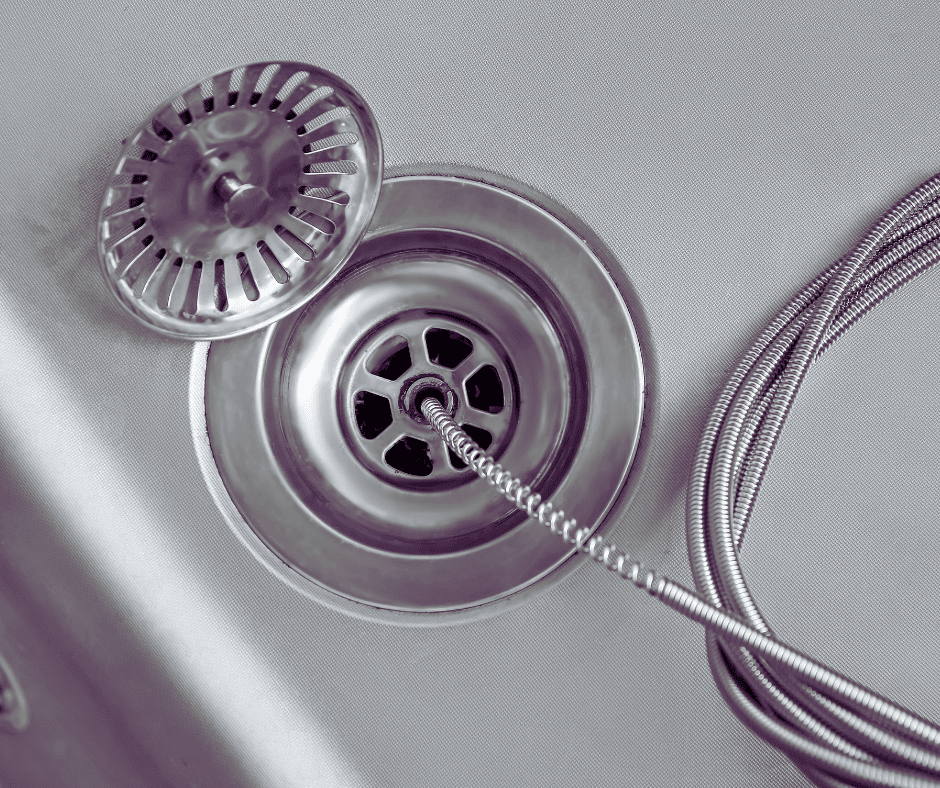
A camera inspection is what tells the two situations apart. Sending a video camera down the lateral shows the pipe material, the extent of the damage, and whether the trouble is confined to one spot or spread along the line. That footage is the basis for an honest recommendation. ServiStar inspects the line before recommending residential sewer line replacement, so a Sherman Oaks homeowner replaces a lateral because the camera shows it is warranted, not on a guess.

Sherman Oaks housing dates heavily to the 1930s through the 1960s, and the sewer laterals under many of these homes are original clay or cast iron. Vitrified clay tile carries a documented service life of roughly 50 to 60 years, which puts much of that lateral stock at or past its expected lifespan. Cast iron corrodes from the inside over the decades. Once a line has aged that far, it becomes brittle, cracks, and offers plenty of entry points for the roots that finish it off.
Tree roots are the accelerant. The mature ficus, oak, and sycamore that shade Sherman Oaks streets send roots into laterals through every crack and joint, and on a pipe already weakened by age, that intrusion turns into breaks and collapses. Some older homes still have short runs of Orangeburg or other outdated materials that fail even sooner. The combination of aging pipe and aggressive roots is why residential sewer line replacement is a recurring need across the neighborhood's older homes.
The prospect of replacing a sewer line makes homeowners picture a trench cut across the whole yard, but modern methods often avoid that. Trenchless residential sewer line replacement installs a new pipe with minimal digging, usually through a couple of access points rather than an open trench along the entire run. The two common approaches are pipe bursting and cured-in-place pipe lining, and which one fits depends on the condition and layout of the existing lateral.
Pipe bursting pulls a new pipe through the path of the old one while a bursting head breaks the old pipe outward, replacing the line without trenching its full length. Cured-in-place pipe lining, or CIPP, inserts a resin liner into the existing pipe and cures it in place, forming a new jointless pipe inside the old one that resists roots and corrosion for decades. Both spare the yard the damage of a full excavation, which is a major advantage on a landscaped Sherman Oaks lot.
Trenchless methods are not right for every line, and a good contractor is honest about that. When a lateral has completely collapsed, has severe offsets, or has sagged into a belly that has to be re-graded, there may be no continuous path for a trenchless tool to follow, and conventional open-trench replacement becomes necessary. In those cases the line is dug up and replaced directly, which allows the pitch of the new pipe to be set correctly.
The camera inspection determines which path is possible. A line that is damaged but still continuous is often a candidate for trenchless residential sewer line replacement, while one that has lost its shape may require excavation. Rather than promising trenchless on every job, ServiStar evaluates the lateral and recommends the method the line actually allows, so a Sherman Oaks homeowner gets a plan grounded in the real condition of the pipe rather than a one-size sales pitch.
For a Sherman Oaks homeowner who has invested in mature landscaping, a driveway, or hardscape, protecting those features is a real concern during a lateral replacement. This is exactly where trenchless methods earn their value: replacing the line through small access points instead of trenching across the property spares established trees, planting beds, patios, and driveways from being torn out and rebuilt. The savings on yard and hardscape restoration alone can be significant.
Even when some excavation is unavoidable, a careful contractor plans the work to limit the footprint and restore what is disturbed. Understanding where the line runs and choosing access points thoughtfully keeps the impact contained. ServiStar approaches residential sewer line replacement with the goal of protecting the property, using trenchless methods where the line allows and planning any necessary digging to minimize disruption to the yard, which is what most homeowners care about most.


Sewer line replacement in Los Angeles involves permitting, and that is not a formality to skip. Replacing a lateral is regulated work, and pulling the proper permits means the job meets code and is inspected, which protects the homeowner and the value of the property. A cut-rate replacement done without permits can create problems at resale and leave a homeowner with work that was never verified to meet standards.
A licensed contractor handles the permitting as part of the job rather than leaving it to the homeowner or ignoring it. ServiStar is CSLB licensed and manages the permitting for residential sewer line replacement so the work is done properly and on the record. For a Sherman Oaks homeowner, having a licensed team handle the permits and the inspection is part of the assurance that a major investment in a new lateral was done correctly and will hold up.
Part of the value in replacing a lateral is what the old pipe gets replaced with. The clay, cast iron, and Orangeburg that fail in older Sherman Oaks homes give way to modern materials like PVC and HDPE that are built to outlast them. These materials resist corrosion, stand up to root intrusion far better than jointed clay, and are designed for a service life that should carry the home for decades without the recurring failures the old pipe produced.
That upgrade is why replacing the lateral, though a larger project than another repair, often makes better long-term sense on a genuinely worn-out line. A homeowner is not just fixing the current failure but retiring a pipe that will keep failing and installing one that will not. For an older Sherman Oaks home that has been through backup after backup, trading aging clay for new pipe ends the cycle rather than extending it one repair at a time.
Homeowners understandably want a price, and the honest answer is that the cost of residential sewer line replacement depends on factors the camera has to reveal first. The length of the lateral, its depth, the method the line allows, whether access is simple or complicated by hardscape, and the pipe material all move the number. A short trenchless job on an accessible line is a very different project than an open-trench replacement under a driveway, and quoting either sight unseen would be a guess.
This is why the team inspects and scopes the line before pricing it, then presents the cost upfront with no hidden fees. Rather than a vague phone estimate, the number reflects the actual lateral and the method it requires. For a Sherman Oaks homeowner, that means the price of the replacement is a real figure tied to their pipe and their property, agreed before the work starts, which turns a big project into a defined one instead of an open-ended worry.
Residential sewer line replacement often enters the picture during a home sale, and for good reason. A pre-purchase sewer camera inspection on an older Sherman Oaks home can reveal a lateral that is at the end of its life, which is exactly the kind of finding that shapes a negotiation. A buyer who learns the line needs replacement can plan for it, and a seller who addresses it upfront removes an obstacle from the sale.
Because so much local housing sits on aging pipe, this inspection is a smart step in any older-home transaction. Discovering the condition of the lateral before closing is far better than finding out during the first heavy holiday weekend in a new home. Whether a homeowner is buying, selling, or simply planning ahead, knowing where the lateral stands lets them approach residential sewer line replacement as a planned decision rather than an emergency.

The best time to deal with a failing lateral is before it fails completely. A homeowner who knows, from a camera inspection, that their line is aging and root-prone can plan a replacement on their own schedule rather than reacting to a sewage backup at the worst possible moment. Planning allows time to consider the method, the timing, and the budget, and to do the work when it is convenient rather than in a crisis.
That foresight is the difference between a managed project and an emergency. For an older Sherman Oaks home on original pipe, treating the lateral as something that will eventually need attention, and getting ahead of it, keeps the homeowner in control. ServiStar can advise on the condition of a line and help a homeowner decide whether the time to replace it has arrived or whether the lateral has service left, so the decision is informed either way.
A lateral replacement follows a clear arc once the method is set. The line is inspected and scoped, the permits are pulled, access points are established, the new pipe is installed by pipe bursting, lining, or open trench as the line requires, the connections are tested, and any disturbed ground or hardscape is restored. A homeowner who knows the sequence in advance can follow the work rather than wondering what happens next, and a good contractor keeps them informed at each stage.
Because the scope is defined and priced before the work begins, there are no surprises added once the job is underway. ServiStar handles the inspection, the permitting, the installation, and the restoration with upfront pricing, so a Sherman Oaks homeowner sees the full plan for the new lateral before committing and knows the project will be completed properly and on the record from start to finish.
Replacing a lateral rewards a licensed local team that diagnoses first and protects the property. ServiStar Plumbing and HVAC is CSLB licensed (#885156), bonded, and insured, locally owned with more than 30 years of experience, and rated 4.8 stars across 140+ Google reviews. The company inspects the line with a camera, explains whether repair or replacement fits, uses trenchless methods where the line allows to protect the yard, handles the permitting, and prices the work upfront with no hidden fees.
A Sherman Oaks homeowner facing a failing lateral can schedule a service call by calling (818) 864-0117. ServiStar serves Sherman Oaks and the surrounding San Fernando Valley and Los Angeles communities including Encino, Studio City, Van Nuys, and beyond. Because every lateral and every property is different, an on-site camera inspection is the right way to confirm whether replacement is needed and plan it with the least disruption.
Redirect to:
|
This page is a redirect. The following categories are used to track and monitor this redirect:
|