The gas a failing furnace can release is odorless and colorless, which is why a working carbon monoxide alarm on each level of the home is the foundation of heating safety.
A cracked heat exchanger may let a furnace light and blow warm air while releasing carbon monoxide, so a heating failure with any safety sign warrants inspection rather than a simple restart.
Heat-exchanger cracks become more likely as a furnace ages, which makes annual inspection and carbon monoxide testing more important in Ogden's older housing stock.
Certain signs point to a heating situation that is a safety emergency first and a comfort problem second, and a homeowner should know them. These call for immediate action rather than a wait-and-see.
Each of these is a reason to prioritize safety over the heat itself. A gas smell or a sounding carbon monoxide alarm is not the moment to search for the source or try a repair; it is the moment to get people out and call the utility, then have the system professionally checked. Emergency heating repair in Ogden picks up from there, with a technician confirming what happened and making the system safe before it runs again. Knowing which signs demand immediate evacuation, rather than a service call, is a piece of home safety every household should carry into the winter.

The heating problem that most often crosses from comfort into safety is a cracked heat exchanger. The heat exchanger is the metal chamber that separates the combustion gases from the air the home breathes, and a crack can let carbon monoxide into the living space. It is a particular concern in the older furnaces common across Ogden's pre-1970 housing stock in neighborhoods like Washington Terrace and along the East Bench, where age makes cracks more likely. A furnace with a cracked heat exchanger may still light and blow warm air, which is what makes it dangerous; the hazard is invisible without inspection. Emergency heating repair in Ogden includes checking the heat exchanger and testing for carbon monoxide when the symptoms warrant it.
When a technician finds a cracked heat exchanger, the honest response is not to patch around it and send the furnace back into service. The safe path is to stop running the furnace and lay out the repair-or-replace decision plainly, because continuing to operate it puts the household at risk. A trustworthy company handling emergency heating repair in Ogden will say so directly rather than force a repair that leaves a safety concern in the walls. That candor, even when it means recommending a larger job than the homeowner hoped for, is the mark of a company that puts safety ahead of the sale.
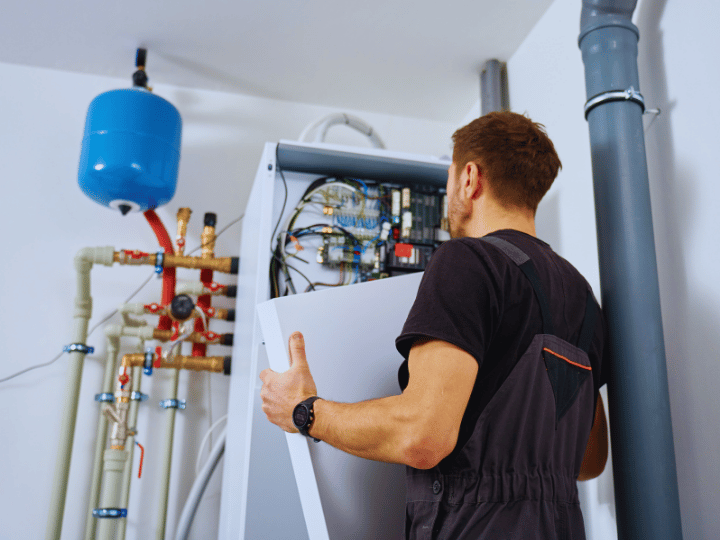
The safety dimension is the strongest reason a heating emergency belongs with a certified technician rather than a well-meaning attempt to force the system on. A gas furnace combines a fuel supply, open combustion, and high-voltage electrical, and a mistake with any of them can create a fire, a gas leak, or a carbon monoxide hazard. A trained technician works within the furnace's safety interlocks, tests for gas leaks and improper venting, and confirms clean combustion, none of which a homeowner can verify by eye. Emergency heating repair in Ogden done by a qualified professional is what keeps a cold-night fix from becoming a safety problem.
The value shows up in the checks a homeowner would never think to make. A furnace that lights and runs can still be drawing combustion air from the wrong place, venting poorly, or cycling on a marginal safety control, and each of those can be a hazard as much as an inconvenience. A technician doing emergency heating repair in Ogden looks at the whole combustion and venting picture, not just the symptom that triggered the call, which is what makes the repair safe as well as effective. That thoroughness is precisely what a household is paying for when it calls a certified company at night rather than trying to force the furnace back on.


The best defense against the safety risks of a heating failure is a layered one, and a working carbon monoxide alarm is the foundation. Every home with a gas furnace should have carbon monoxide alarms on each level and near sleeping areas, tested regularly, because they provide the warning the gas itself does not. Paired with annual maintenance that inspects the heat exchanger and confirms clean combustion, alarms turn a potential tragedy into an early warning and a service call. A household that keeps both in place is far better protected than one relying on noticing a problem that, by its nature, gives no obvious sign.
Prevention also lowers the odds of the emergency in the first place. A heating system serviced before the season, with its combustion, venting, and heat exchanger checked, is less likely to develop the kind of fault that becomes a safety call at midnight. For a Weber and Davis County household, that combination of working alarms, annual service, and a trusted company for emergency heating repair in Ogden is a practical safety plan for the winter. The heat is the visible concern, but the invisible one, safe combustion, is the reason to take a heating failure seriously and handle it correctly.
Two parts of a furnace that a homeowner never sees, its venting and its combustion-air supply, carry much of the safety burden. A furnace has to draw enough fresh air for clean combustion and vent all of its exhaust gases completely out of the home, and a problem with either can create a carbon monoxide hazard even when the furnace appears to run normally. A furnace tucked into a tight utility closet or a sealed, well-insulated newer home can starve for combustion air, while a blocked or damaged vent can let exhaust back up. A technician handling a heating emergency checks both, because the danger there is invisible to a homeowner.
These hidden failure points are a reason a heating emergency should not end with a simple restart. A furnace that lights and blows warm air can still be venting poorly or drawing air from the wrong place, and only an inspection confirms otherwise. A technician who looks at the whole combustion and venting picture, not just the symptom that brought them out, is what makes the repair safe as well as effective. That thoroughness is exactly what a household is paying for when it calls a certified company at night rather than forcing the system back on and hoping.

The households that come through a heating emergency safely are usually the ones with a plan in place before the failure. That plan is simple: working carbon monoxide alarms on each level and near sleeping areas, tested regularly; a household that knows to leave and call the gas utility if they smell gas; and a trusted company to call once the home is confirmed safe. None of it is complicated, but having it settled in advance means a family reacts correctly under stress rather than improvising in the moment. A little preparation turns a frightening situation into a managed one.
Annual maintenance is the preventive half of that plan. A heating system whose combustion, venting, and heat exchanger are inspected before the season is less likely to develop the kind of fault that becomes a safety call at midnight, and a technician catching an early crack or a venting problem during a calm fall visit spares the household a dangerous surprise in January. For a Weber and Davis County home, pairing working alarms, a clear plan, and annual service with a trusted company is a practical way to keep a heating failure from ever becoming a safety emergency in the first place.
A homeowner's own senses are part of the safety system between service visits. A steady blue burner flame, a familiar hum when the furnace runs, and the absence of any burning or sulfur smell are the normal signs; a yellow flickering flame, soot around the vents, or a persistent odor are not, and warrant shutting the system down and calling for help. Learning what normal looks and smells like makes the abnormal easier to catch early, before it becomes a crisis. For a Weber and Davis County household, that awareness, paired with working alarms and annual service, is a simple and effective layer of protection through the heating season.
Safety, in the end, is the reason a heating failure deserves a certified professional rather than a forced restart. The heat is the visible concern, but safe combustion is the one that matters most, and confirming it is exactly what a qualified technician provides on an after-hours call across Weber and Davis County.
One Hour Heating and Air Conditioning of Ogden is an independently owned and operated One Hour franchise, owner-led by Matt McFarland and based at 1501 W 2650 S #103 in Ogden, 84401. With 24/7 dispatch, EPA-, RMGA-, and BPI-certified technicians, the Always On Time Or You Don't Pay A Dime promise, StraightForward Pricing, a 5-star rating across 568+ Google reviews, and Utah licensed, bonded, and insured operation, the company restores heat safely and confirms the system is sound before it runs. For a heating failure with any safety concern anywhere from the valley floor to North Ogden, One Hour Heating and Air Conditioning of Ogden is who to call for emergency heating repair in Ogden. Call (801) 829-7633 any hour.
Redirect to:
|
This page is a redirect. The following categories are used to track and monitor this redirect:
|